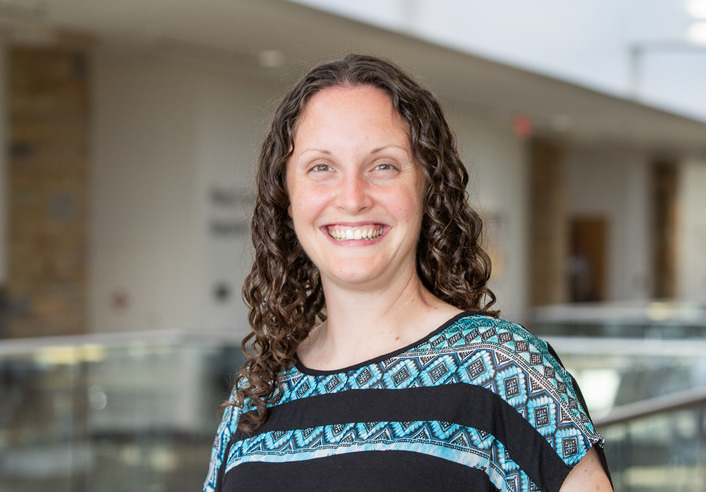
Laura Wilson, associate professor of speech-language pathology (SLP), is a certified brain injury specialist trainer through the Brain Injury Association of America, meaning she can train others to become certified brain injury specialists (CBIS). Additionally, she is approved to provide a unique opportunity for University of Tulsa graduate students to become provisionally certified, preparing them with the foundational knowledge to become fully certified later.
The CBIS credential is nationally recognized and signifies advanced knowledge, clinical skills and professional experience in brain injury rehabilitation. Full certification requires 500 hours of supervised clinical experience.
However, graduate students who have not yet met this requirement may pursue provisional certification following training by Wilson and by successfully completing a qualifying exam. Once the clinical experience requirement is fulfilled, the provisional certification can be converted to full CBIS status.
The training equips students with essential tools for providing holistic, interdisciplinary care to individuals with acquired brain injuries, such as those resulting from stroke or physical trauma. “The provisional certification on a new graduate’s resume shows potential employers that they have specialized training from a nationally recognized organization,” Wilson said. “It helps applicants stand out in a competitive job market.”
So far, she has offered training to SLP students – primarily those interested in working in the medical field – as well as athletic training students, who are on the front lines of managing concussions and related conditions.
Katie Worsham (M.S. ’19) is one speech pathology alumna who received training from Wilson, became provisionally certified, and then later converted to full certification as a professional. She described how the program granted her the ability to further understand brain injury in all its aspects and allowed her to gain confidence in treating patients.
“If you are interested in this and have the time to dedicate to it, don’t hesitate,” Worsham said. “I feel like the further I have gotten in my career as a speech pathologist the more it has helped me educate patients, families and even coworkers for better outcomes and patient care!”